
Independent RPG dossier · Canada

Enter a World of Curses, Magic & Nightmares.

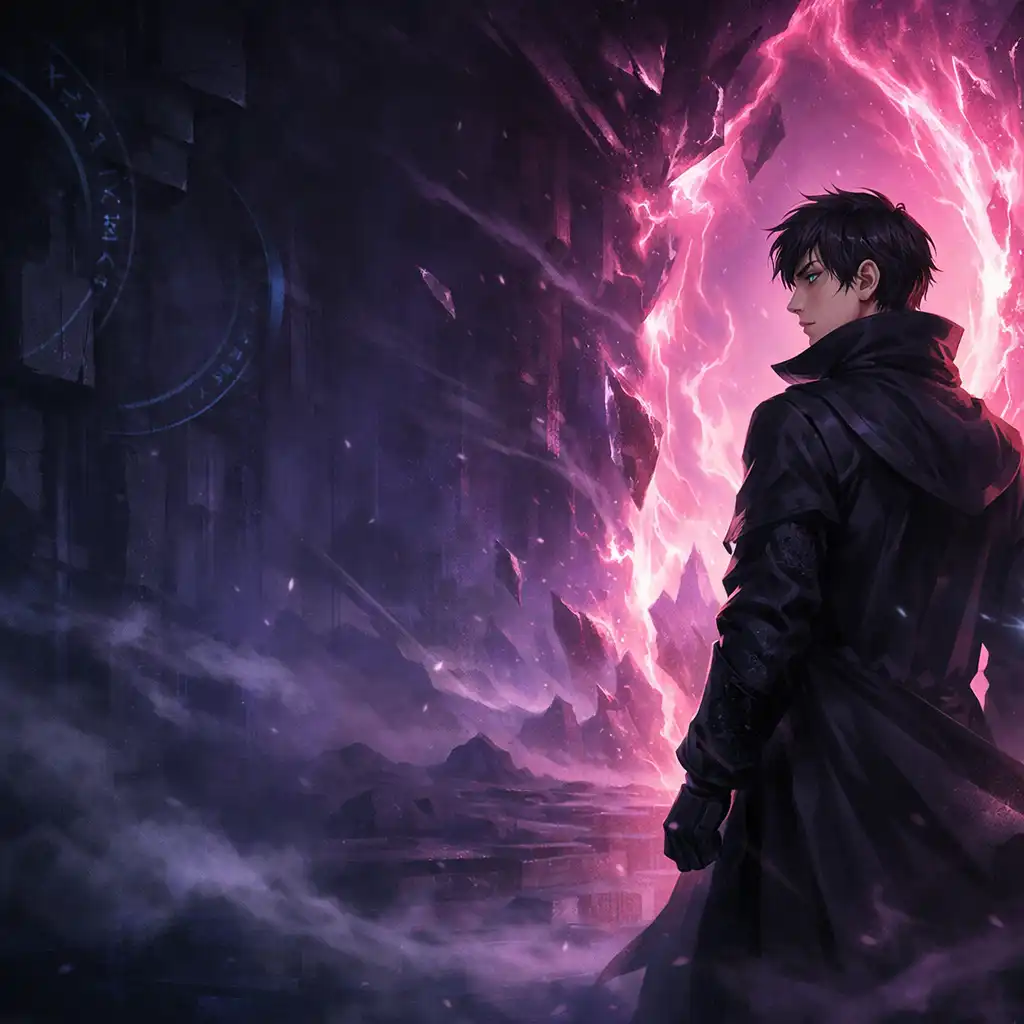
Twin Horizon Quest is an independent English-language Canadian guide to Grand Magic: Nightfall / Sorcery: Night of Hallucinations, a dark-fantasy anime-style RPG. Explore sorcerer teams, strategic combat, simulated domains, elemental curses, dungeon-style challenges, progression, and practical beginner direction.

Editorial orientation only; this archive is not an official game destination.

Archive entry 01 · orientation

The nightfall premise, read clearly

Grand Magic: Nightfall / Sorcery: Night of Hallucinations is approached here as a dark-fantasy, anime-style RPG shaped by magic and supernatural danger. This homepage is a starting point rather than a substitute for close reading: it maps the questions that matter when you are considering combat, teams, domains, and the game’s nightmarish atmosphere. For the longer editorial view, begin with the full review.

Sorcerers & abilities

Build from readable choices

Our notes treat sorcerers and magical abilities as connected decisions. The useful question is not simply what one character can do, but what a group can understand, test, and bring into a tactical situation together.

Curses & hallucinations

Follow the darker vocabulary

Elemental curses and hallucinations help define the archive’s language for this world. They are themes and systems worth keeping visible while you read about encounters, atmosphere, and changing team plans.

Supernatural enemies

Prepare for pressure

Supernatural enemies bring the dark-fantasy framing into tactical focus. Rather than inventing fixed answers, our coverage emphasizes observation, preparation, and a willingness to adjust when a challenge asks something new.

Dossier 02 · team construction

Build your sorcerer team

Characters are most useful to consider as a group, not as isolated picks. Team composition changes how you can read and use magical abilities together, so it helps to begin with a plan you can explain to yourself and then test in play. The dedicated team guide keeps these notes open for deeper comparison as your questions become more specific.

Tactical note

Choose roles with intent

Before settling on a direction, compare what each character contributes to offensive pressure, support-minded utility, and survival needs. These are planning questions rather than fixed class labels. A clear team plan gives you a better basis for deciding what feels missing when an encounter becomes demanding.

Supernatural note

Read magical abilities together

Look at abilities in relation to the rest of the squad. An effect may make more sense once you ask whether it supports your current tactical plan, elemental-curse questions, or the character connections you are trying to understand. Keep the reading system-level instead of chasing assumed values.

Beginner-friendly

Adjust rather than chase one answer

Dungeon-style challenges, supernatural enemies, and progression obstacles can all invite a different approach. Revisit team choices when the situation changes instead of expecting one composition to solve every problem. Adaptation is the habit that turns a collection of options into a useful team.

Explore team building

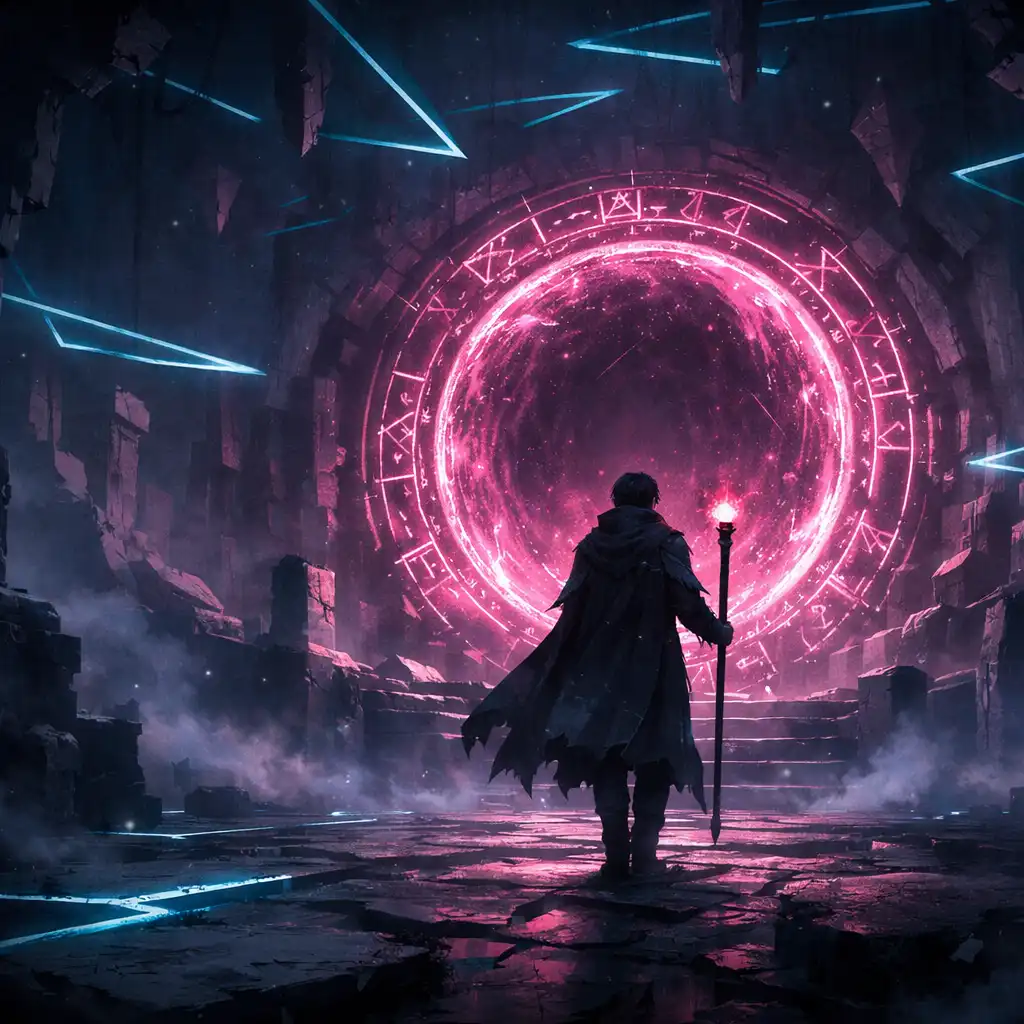
Dimensional field · simulated domain

Enter the domain

Simulated Domains are a featured combat mechanic explored across this archive. Treat them as a dedicated context for strategic decision-making: a place where the team you bring, the abilities you are considering, and the challenge in front of you should be read together. We avoid filling in unsupplied rules or rewards; the useful starting point is to recognize a domain as part of the game’s combat and dungeon-style challenge lens.

Read combat notes
A lone sorcerer approaches a circular rune portal in a dark subterranean chamber.
Editorial atmosphere for the simulated-domain discussion; not presented as an official screenshot or confirmed game scene.

Face the nightmares

Supernatural enemies are a central source of pressure in this dark-fantasy setting. Their presence gives tactical preparation a purpose: teams and abilities are not only abstract choices, but part of how a player approaches uncertain encounters. The archive keeps that discussion broad and useful, without inventing monster details or promising a universal counter.

Hallucinations heighten uncertainty

Hallucinations belong to the game’s thematic landscape, making the nightmarish framing more than a generic fantasy backdrop. They invite an editorial reading of atmosphere and uncertainty without assuming specific sequences, twists, or combat effects. For visitors, they are a useful signal that this archive is tracking mood as well as tactics.

Bosses reward observation

Boss encounters are worth reading carefully. Notice what changes in the encounter, reconsider the team tactics you brought, and use those observations to guide your next attempt. That mindset does not assume fixed weaknesses or phases; it simply makes room for attentive planning. Continue with the combat guide for deeper notes.

The darker threats become more useful when they are turned into a tactical question: what is this encounter asking you to notice, and what can your current team change? That bridge leads naturally from dread toward elemental curses, connections, and patient adjustment.

Dossier 03 · combat field notes

Combat & strategy field notes

When combat becomes more demanding, keep your attention on the relationships between the encounter, the team, and the decisions you can still revise.

Elemental curses

A planning lens

Elemental curses belong in a player’s tactical reading of an encounter alongside the team they bring. Rather than assuming a list of matchups or weaknesses, inspect what the encounter and your current abilities suggest. Keeping that question active helps combat planning stay deliberate instead of automatic.

Character connections

Context before conclusions

Character connections are another system worth examining when you consider team tactics. There is no need to declare exact pairings or bonuses to benefit from the broader idea: connection-aware planning asks you to see the team as a whole and to consider how choices relate.

Adjustment loop

Enter, observe, revise

Useful tactics improve through adjustment. Enter a challenge with an idea, observe what happens, revise one part of the plan, and return with a clearer question. That loop works for newcomers learning combat language and for strategy readers revisiting a difficult dungeon-style challenge.

Open combat guide

First steps · beginner guide

First steps into nightfall

Begin with habits that make the game easier to read. The aim is not to rush toward a presumed ideal setup, but to build a foundation that gives each new combat question somewhere useful to go.

  1. 01

    Start with a team you can read

    Choose a team composition whose roles and magical abilities you can understand and test. That confidence-building approach is more useful than rushing toward an assumed ideal setup, because it gives you language for what each choice is contributing. When you want more context, return to the team-building guidance and compare your questions there.

  2. 02

    Treat early combat as information

    Use early enemy encounters and dungeon-style challenges as information about what your team is being asked to handle. Repetition and adjustment are learning, not failure. Notice what creates pressure, consider what you would change, and make the next attempt with a clearer purpose rather than a vague expectation.

  3. 03

    Keep curse and connection questions visible

    As the wider combat picture takes shape, keep elemental curses and character connections in view. There is no need to invent rules in advance. Take one variable at a time when considering a team change, then observe whether that decision helps you read the encounter with more confidence.

  4. 04

    Let progression set the pace

    Approach progression patiently. Revisit your current team choices and challenge readiness rather than assuming the next obstacle must be forced immediately. The progression guide offers a deeper route when you are ready to keep that review of pace, preparation, and direction going.

Read beginner tips

Independent review dossier

Our review: a balanced reading

Twin Horizon Quest is an independent English-language Canadian gaming review website, not a scorecard. Our review considers Grand Magic: Nightfall through combat, visuals, strategy, and progression, giving each lens room for context rather than manufactured ratings or promotional claims. The goal is to help you decide what you want to investigate next, while keeping the difference between editorial guidance and official information clear.

Combat

Decisions under pressure

Combat is read through tactical decision-making, including the relationship between teams, elemental curses, and Simulated Domains. The emphasis is on what a visitor can observe and reconsider, not unsupported claims about speed, difficulty, or a single preferred approach.

Visuals & atmosphere

The dark-fantasy lens

Visual presentation and atmosphere matter to a dark-fantasy, anime-style RPG reading. We consider how supernatural enemies and hallucinations support the game’s tone, while keeping site design separate from claims about the game’s production or unconfirmed art details.

Strategy

Systems in relation

Team composition, magical abilities, elemental curses, character connections, and dungeon-style challenges inform the strategy lens. The full review and guides help readers see how these topics can be considered together without claiming every system carries the same weight.

Progression

Preparation over pressure

Progression is considered alongside a player’s ability to revisit team choices and prepare for new challenges. Exact systems remain outside this overview; the progression guide is the appropriate next route for readers who want more focused context.

Read Full Review

Who will enjoy it?

This is a self-selection question, not a universal recommendation. Consider which part of the game’s dark-fantasy RPG framing and which kind of archive guidance you are most interested in exploring.

Anime RPG explorers

For genre-focused readers

If anime-style RPG presentation is part of what draws you in, this archive gives you a game-focused route through the subject. Start with the full review, then follow the guide that matches the systems or questions you want to examine more closely.

Dark-fantasy mood seekers

For the nightmarish frame

Curses, hallucinations, supernatural enemies, and dark fantasy are central thematic signals here. Readers interested in that mood can use the archive to distinguish atmospheric questions from practical combat and team-building questions without assuming unconfirmed story content.

Team strategists

For connected choices

If you enjoy considering sorcerers, magical abilities, team composition, elemental curses, character connections, and tactical choices, the dedicated guides are the best next route. They keep the focus on thoughtful comparison rather than promises of a fixed solution.

Read the audience-fit guide
A glowing magenta portal suspended in a dark indigo void.

Final portal · Google Play

Enter the night

From sorcerer teams and simulated domains to combat notes, progression, and beginner guidance, this archive is here to help you read the world before deciding your next step. If the dark-fantasy RPG premise fits what you are looking for, continue to the game’s Google Play listing.

Enter the Night → Google Play ↗