Grand Magic: Nightfall / Sorcery: Night of Hallucinations is a dark-fantasy, anime-style RPG examined here through combat, sorcerer strategy, supernatural threats, simulated domains, dungeon-style challenges, visual identity, progression, and player fit.
Review focusCombat, teams, domains, progression, and fit
Platform destinationGoogle Play
Site statusTwin Horizon Quest is an independent English-language Canadian review and guidance site.
Installation availability is handled through Google Play; this dossier is practical editorial guidance, not an official publisher summary.
The clearest way to approach Nightfall is as a dark supernatural RPG whose appeal comes from connecting a squad, an encounter, and a longer challenge path rather than simply moving from spectacle to spectacle.
01
A curse-driven fantasy loop
The game’s supplied focus points toward an experience shaped by sorcerers, supernatural opposition, elemental curses, and escalating challenges. That combination gives the anime-style character fantasy an ominous frame: the appeal is not just who is on a team, but how that team meets a threatening situation. It is a useful premise for players who want dark-fantasy stakes to inform the action instead of sitting beside it as decoration.
02
Strategy is the meaningful lens
Nightfall is best read as a tactical team-and-encounter experience rather than passive visual spectacle alone. Team roles, enemy pressure, timing, and curse interactions are the questions worth carrying into a session. Players who pause to observe what an encounter asks of a squad are likely to find more to engage with than visitors looking for an entirely automatic rhythm.
03
Progression gives the archive weight
Simulated domains and dungeon-style challenges make individual battles feel like part of an ongoing path. Spaces that invite repeat attention or advancing pressure give preparation a purpose beyond one encounter. That can be rewarding for players who enjoy planning ahead, while visitors seeking immediate, frictionless action may need patience with the process of preparation and advancement.
Chapter 02 / combat under pressure
The encounter matters as much as the squad
Its strategic identity becomes clearest when a team is treated as a response to pressure, not as a fixed display of favourites. The following lenses keep the review grounded without assuming unverified controls or numerical systems.
Tactical read
Team roles create the first decision
A sorcerer team is more useful when its members are considered through complementary responsibilities rather than as interchangeable selections. Thinking in terms of pressure, protection, support, and response gives a squad a clearer purpose when supernatural enemies change the demands of a fight. For a dedicated planning route, visit the sorcerers and team building guide.
Tactical read
Elemental curses reward observation
Elemental curses work as a tactical vocabulary: they encourage cause-and-response thinking instead of forcing one habitual approach into every encounter. Players who enjoy interpreting interactions and choosing an appropriate reply may find that more engaging than a purely automatic rhythm. The important review point is flexibility, not an assumed list of elements, formulas, or immunity rules.
Encounter pressure
Enemy pressure shapes the pace
Supernatural enemies are where encounter tension gathers. Their presence turns squad selection, ability timing, and adaptation into the key combat questions, rather than reducing every battle to a single repeated answer. That deliberation will not serve every preference equally: players who want uninterrupted speed may value it less, while tactical players can carry it forward into dungeon challenges.
Domain note
Domains and dungeon rhythm
Simulated domains are a significant layer of the game’s supernatural setting and challenge structure. They suggest a changing context for tactical encounters: spaces where preparation and attention to the situation can matter as much as a squad’s familiar habits. Rather than relying on unsupported details about maps, rewards, or unlocks, the useful lens is the feeling of entering a battlefield that asks players to reconsider its conditions.
Dungeon-style challenges then test whether that plan holds under repeated pressure and escalating demands. They connect team planning, enemy response, and progression motivation in a practical loop. Methodical challenge pacing is likely to appeal most to players who enjoy iterating on a plan; visitors seeking only brief spectacle may find the preparation less naturally compelling.
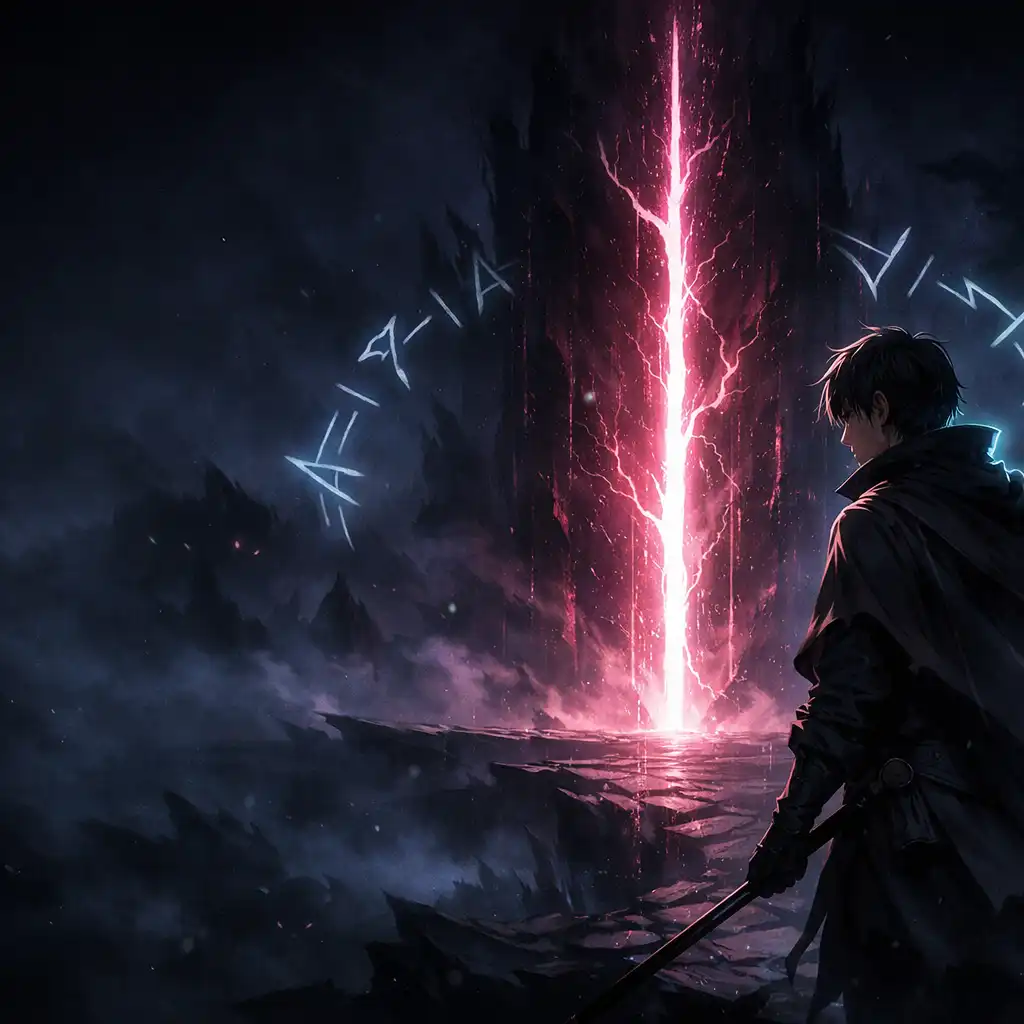
Editorial illustration for domain atmosphere and challenge context; not official game material.
Visual identity and dark-fantasy tone
Mood gives the strategy a dramatic frame
Observation one
Anime-style character fantasy meets nightmarish stakes
The visual proposition is an anime-style RPG filtered through darker supernatural imagery, where sorcerers and curses create a memorable tonal contrast. That mixture can make team management feel character-led rather than abstract, even when the review remains focused on practical decisions. Its value is in mood and readability, not in claiming specific scenes, names, or visual technology.
Mood supports the encounter.
Atmosphere gives strategy a dramatic frame
Supernatural enemies, simulated domains, and dungeon-style spaces can make tactical choices feel embedded in danger rather than detached menu decisions. Atmosphere does not replace useful decision-making, but it can make the encounter feel more consequential. Visitors who value an occult-leaning, heavy mood are likely to appreciate this framing more than those who prefer bright or casual fantasy.
Practical test
Readability remains the practical test
Dramatic presentation works best when a player can still parse combat priorities and progression decisions. That is an evaluative standard worth carrying into a first session: visual appeal should help a player understand the tension of a situation, not distract from the choices it presents. It also helps explain why atmosphere and audience fit belong in the same review.
Chapter 03 / progression
Progression asks for a plan
Longer-term appeal comes from learning, adapting, and checking whether a team remains dependable when challenge conditions change.
01
Build a working foundation
Early progression can be understood as learning how a sorcerer team’s pieces relate, reading enemy pressure, and establishing a dependable approach before more demanding spaces dominate the experience. That foundational discovery can be rewarding for players who enjoy systems. For a practical companion before a first session, read the beginner tips guide.
02
Adapt when the conditions change
The middle progression appeal is revisiting team choices when elemental curses, supernatural enemies, or domain context make a previous approach less comfortable. This is about flexible thinking, not a promise that every obstacle has one fixed answer. It may feel demanding to players who prefer one build to solve every encounter, but it gives tactical reading a continuing purpose.
Reassess the squad, not just the encounter.
03
Use dungeon challenges as a check
Dungeon-style challenges provide a consistency test for preparation, tactical reading, and willingness to refine a plan over time. A progression loop benefits from goals that revisit a team’s strengths without assuming rankings, rewards, or a live schedule. Visitors who want fuller planning context can continue to the progression guide.
Where the experience may not land
These are fit considerations, not defects: the same qualities that create a satisfying tactical rhythm can be less natural for another kind of player.
Deliberation is part of the appeal
Players who want immediate, low-consideration action may not connect as strongly with a game whose appeal includes team building, elemental curse reading, and tactical adaptation. That is an audience preference rather than a flaw. Planning-oriented engagement asks more than a purely casual drop-in expectation, and the right fit depends on whether that thinking feels inviting.
The tone is intentionally dark
The dark-fantasy, supernatural, nightmarish framing is a strength for mood-seeking players, but it may not be the natural choice for visitors who prefer lighter or more grounded RPG settings. The anime-style presentation is part of that contrast. It is best treated as a tonal preference, not as a universal measure of quality.
Progression rewards patience
Simulated domains and dungeon-style challenges imply a structure where repeating, refining, and preparing can suit methodical players more than visitors seeking a purely linear, one-and-done experience. This does not assume grinding or monetization details. For a focused self-check, the audience-fit guide is the most direct next read.
Audience lens
Who is likely to enjoy Nightfall?
Likely fit
Strongest fit: tactical dark-fantasy players
The clearest fit is a player drawn to anime-style dark fantasy, sorcerer squad choices, supernatural enemy encounters, elemental curse considerations, and dungeon-style planning. An appetite for learning a team’s responses and revisiting a plan when conditions change will help. Simulated domains add another point of appeal for visitors who enjoy an uncanny challenge framework rather than a purely straightforward path.
Consider first
Consider another path if you want lighter play
A less natural fit is a player chiefly seeking a bright setting, purely immediate action, or an experience with little interest in team iteration and encounter reading. That is a preference mismatch, not a criticism. Before deciding, use this review’s combat and progression chapters to judge whether its planning-oriented rhythm sounds satisfying.
A useful next read before installing: explore the combat guide for tactical questions, beginner tips for first-session preparation, or audience fit for a focused self-check.
Independent review verdict
A compelling match for players who want strategy inside the darkness
Grand Magic: Nightfall is most compelling as a dark-fantasy anime-style RPG for visitors interested in the intersection of sorcerer team building, strategic combat, elemental curses, supernatural pressure, and advancement through simulated domains and dungeon-style challenges. Its strongest invitation is to players willing to prepare, observe, and adapt rather than rely on one settled approach. That same demand is the deciding caveat: enjoyment depends on an appetite for tactical preparation and a darker supernatural tone. For the right player, the setting gives those choices an evocative, uneasy frame.
For immediate practical context after the review, read the Grand Magic: Nightfall Beginner Tips guide. It is the natural next step for visitors who want a clearer approach to early decisions without assuming a detailed system in advance.
Pair the Progression Guide with the Audience Fit page if longer-term challenge rhythm is your main question. Archive note: follow the route that best matches the way you prefer to play.
Archive preference
Cookie preference
We use a small preference cookie to remember this choice. See our Cookie Policy for details.